Maria Polytechnic College

DIPLOMA IN ELECTRONICS AND COMMUNICATION ENGINEERING

Study electronics, communication systems, embedded technology, microprocessors and networking in the ECE diploma at Maria Polytechnic College.

Overview

About the Course

The Diploma in Electronics and Communication Engineering at Maria Polytechnic College is designed to provide students with strong technical knowledge and practical skills in electronics systems, communication technology, embedded systems, digital electronics, networking, and industrial communication applications. The course focuses on developing technically skilled professionals through practical-oriented learning, laboratory training, industrial exposure, and project-based education. Students gain hands-on experience in electronic circuits, communication devices, microprocessors, signal systems, and modern communication technologies that prepare them for successful careers in electronics and communication industries.

The programme combines classroom learning with practical exposure to help students build technical competency, innovation, and professional confidence required in modern technological environments.
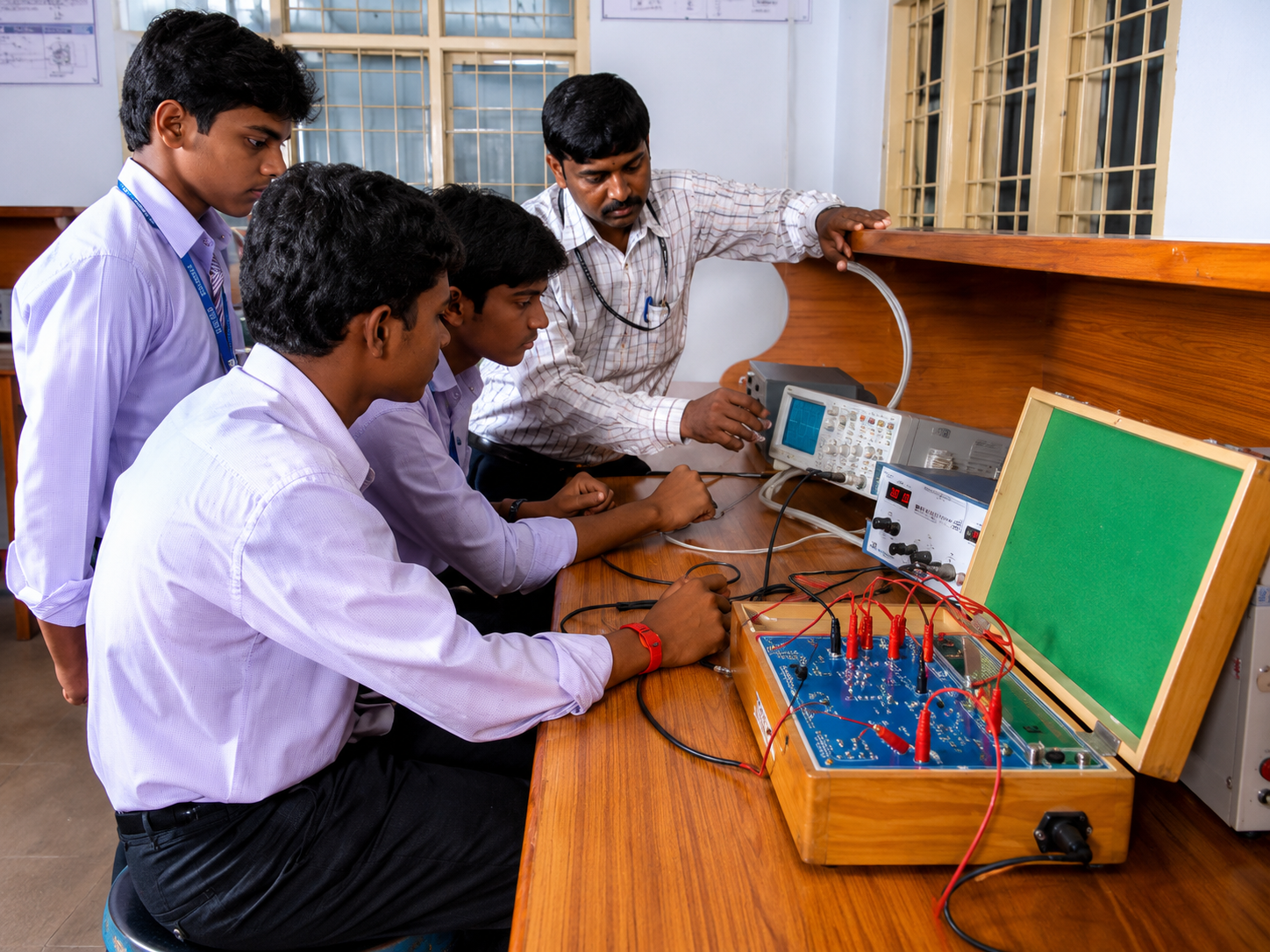
Electronics and communication laboratory training kit
Programme strengths

Course Highlights

  • AICTE Approved Diploma Programme
  • Industry-Oriented Curriculum
  • Practical Laboratory Training
  • Modern Electronics & Communication Labs
  • Embedded Systems Learning
  • Industrial Visits & Technical Exposure
  • Experienced Faculty Guidance
  • Project-Based Technical Education
  • Skill Development Activities
  • Placement & Career Support

Vision of the Department

To create technically competent and innovative electronics and communication professionals capable of contributing effectively to modern communication technologies and industrial advancements.

Mission of the Department

The department aims to provide quality technical education through practical training, laboratory learning, industrial interaction, and technical skill enhancement programmes that strengthen students’ engineering knowledge, professional ethics, and career readiness.

Academics

Curriculum & Academic Activities

The curriculum is designed according to the guidelines of the Directorate of Technical Education (DoTE), Chennai, and focuses on both theoretical concepts and practical engineering applications. Students are trained in digital electronics, communication systems, embedded technology, microprocessors, networking, electronic circuits, and signal processing through classroom sessions, laboratory practicals, and industrial exposure programmes.

Academic activities include:

Electronics practical training equipment
  • Technical Seminars
  • Industrial Visits
  • Mini & Main Projects
  • Embedded System Practice
  • Laboratory Sessions
  • Technical Workshops
  • Industrial Training Programmes

Laboratories & Practical Training

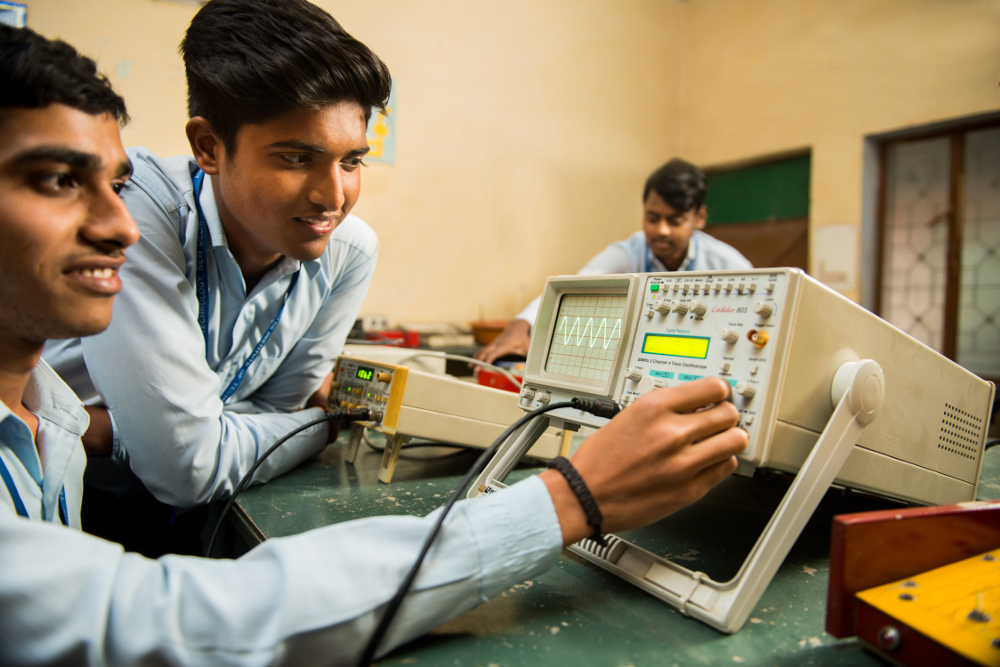
The department provides well-equipped electronics and communication laboratories that support practical learning and technical skill enhancement. Students receive hands-on training in electronic circuit design, communication systems, microcontroller applications, embedded programming, and networking technologies. Practical sessions help students understand real-time industrial applications and improve technical problem-solving abilities.

Career Opportunities

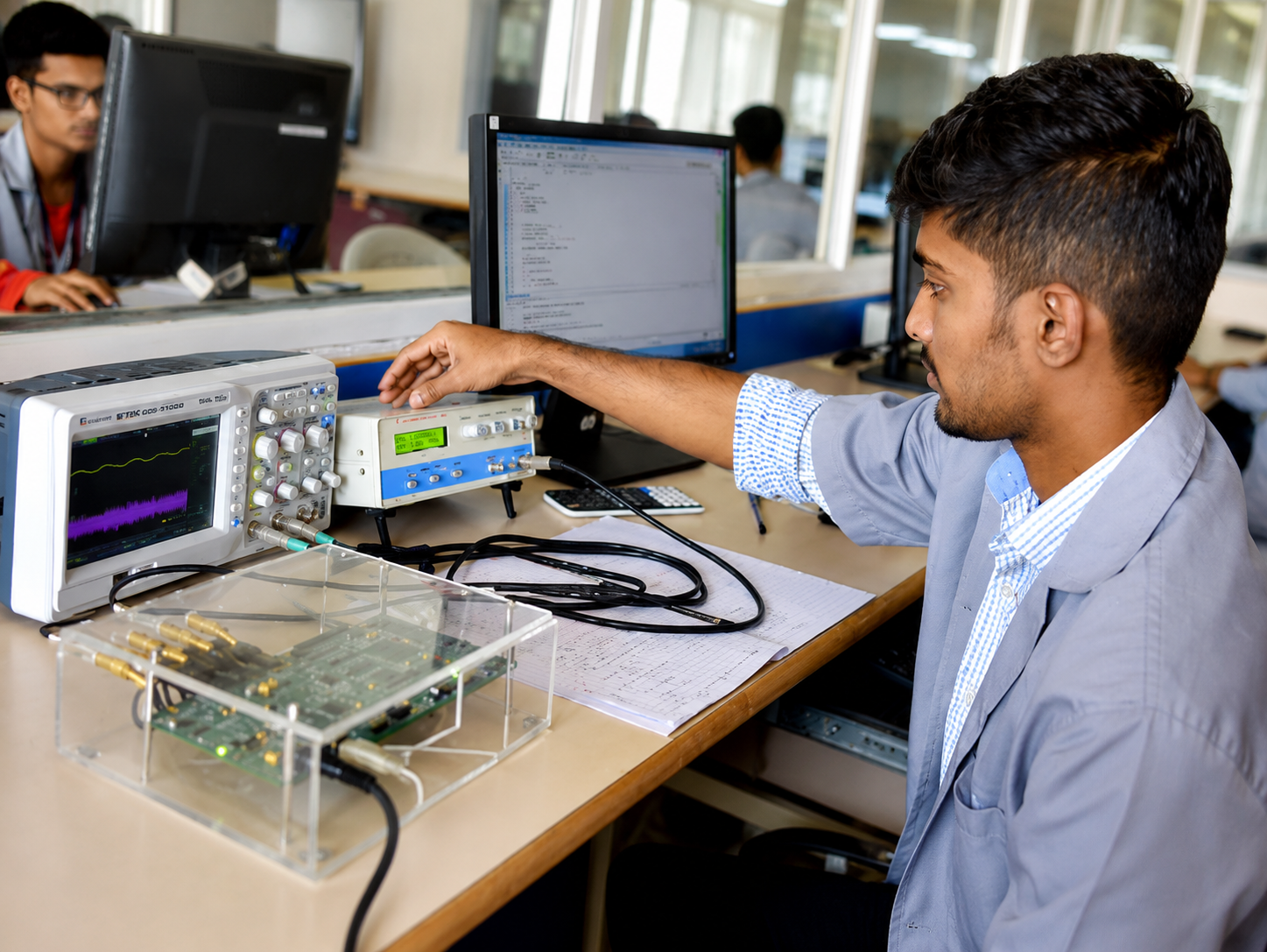
Communication and electronics laboratory equipment

Diploma Electronics and Communication Engineering graduates have excellent career opportunities in electronics industries, telecommunication sectors, networking companies, manufacturing industries, embedded system firms, and IT-related organizations.

Career Roles:

  • Electronics Technician
  • Communication System Technician
  • Network Support Technician
  • Embedded System Assistant
  • Service Engineer
  • Technical Support Executive
  • Quality Control Assistant
  • Maintenance Technician

Students can also pursue higher studies and advanced specialization in electronics and communication engineering fields.

Support & Growth

Department Initiatives

Faculty Members

The department is guided by qualified and experienced faculty members who provide academic mentoring, technical guidance, and practical training support. Faculty members focus on creating a student-friendly learning atmosphere that encourages innovation, creativity, teamwork, and professional growth among students.

Technical Skill Development

The course focuses on enhancing students’ technical skills through laboratory practice, technical workshops, industrial training, project work, and communication technology applications. Students are encouraged to develop leadership qualities, communication skills, analytical thinking, and engineering competency that improve employability and career growth opportunities in electronics and communication industries.

Placement Support

Maria Polytechnic College provides placement support through aptitude training, communication skill enhancement, technical interview preparation, and industrial interaction programmes. The placement cell actively supports students through internships, campus recruitment activities, and career guidance programmes that improve employment opportunities in reputed electronics and communication industries.

Department Achievements

The Department of Electronics and Communication Engineering continuously promotes academic excellence, practical learning, and technical skill development through industry-focused education and training programmes. Students actively participate in technical seminars, workshops, industrial visits, and project exhibitions that enhance professional exposure and technical competency. The department takes pride in producing skilled diploma engineers who contribute successfully in electronics, communication, and technology sectors.