Faculty Members
Our instructors bring valuable field experience from emergency response and industrial safety sectors, guiding students through practical drills and rigorous technical mentoring.
Maria Polytechnic College
Master fire prevention, industrial safety, and emergency response procedures in our specialized Fire Technology programme.
The Fire Technology programme at Maria Polytechnic College provides comprehensive training in fire prevention, protection, and industrial safety. Students learn essential emergency response procedures, rescue techniques, and hazard identification protocols to ensure workplace safety in diverse environments.
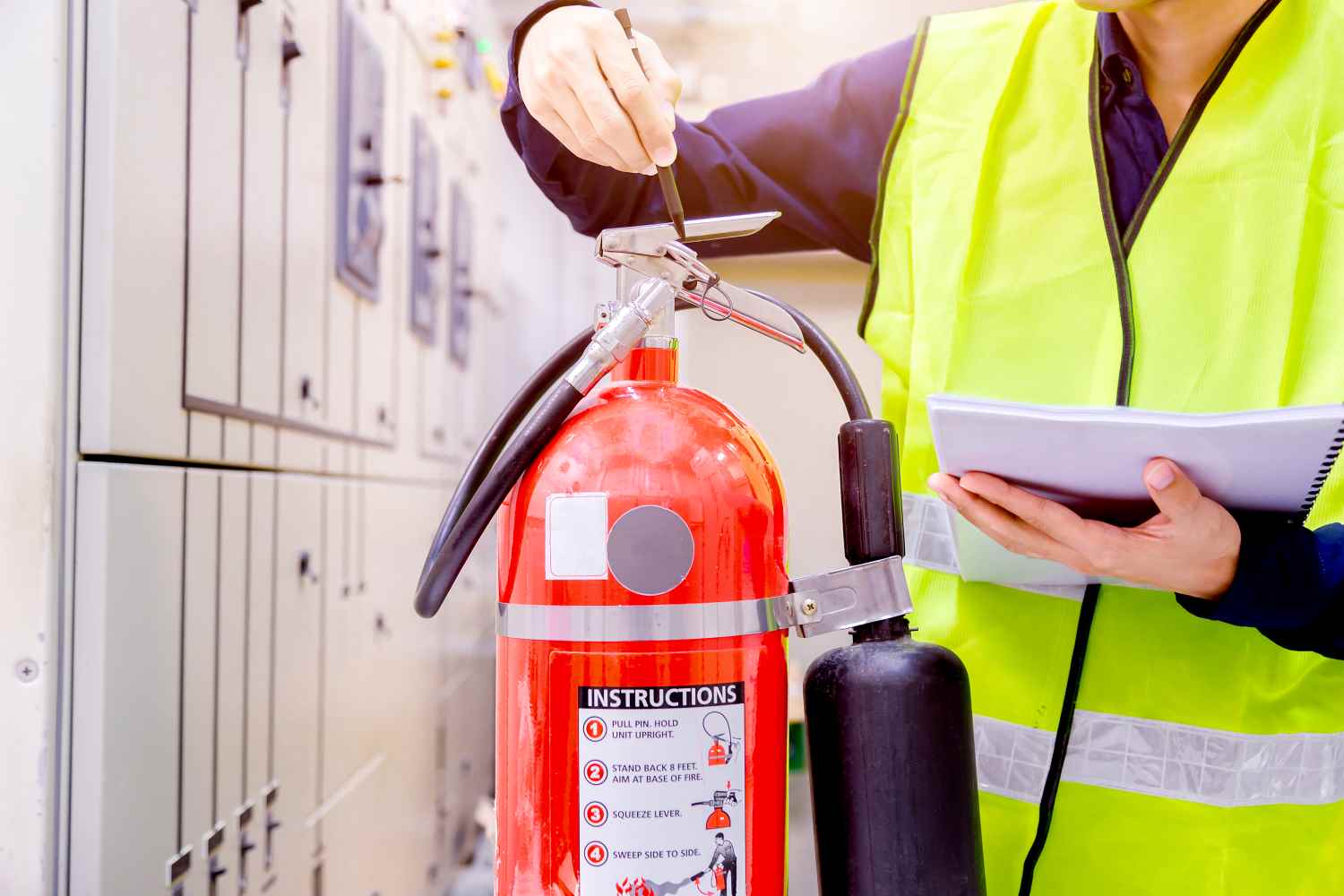
Through hands-on training with fire extinguishing equipment, alarm systems, and practical safety drills, students develop the critical skills necessary for immediate response and effective risk management in high-stress situations.
To be a leading center for fire and industrial safety training, producing highly competent professionals dedicated to protecting lives and property.
We aim to provide rigorous practical safety education, fostering strong risk-assessment skills, ethical practices, and rapid emergency response capabilities in our graduates.
The programme also introduces students to workplace risk assessment, fire-safety inspections, emergency planning, safety documentation, and incident-reporting procedures. Through demonstrations, mock drills, practical sessions, and scenario-based training, students develop the confidence to respond responsibly during fire and safety emergencies. Emphasis is also placed on teamwork, communication, discipline, situational awareness, and compliance with essential workplace safety protocols.
Academic activities include:
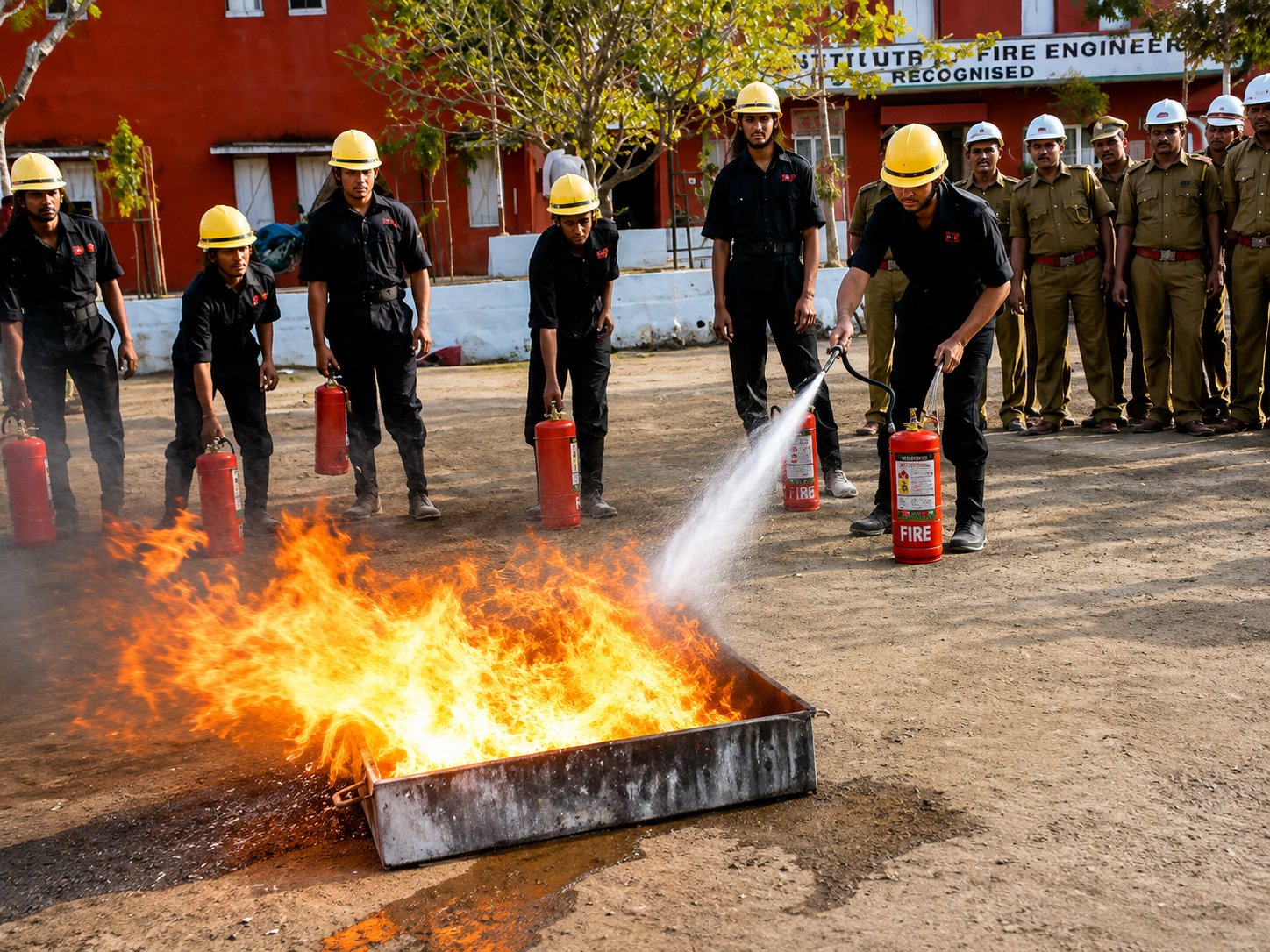
Our dedicated safety training grounds and simulation laboratories allow students to handle authentic fire extinguishing equipment, personal protective gear, and alarm systems. Practical drills ensure students can execute emergency response and evacuation techniques effectively under simulated real-world conditions.
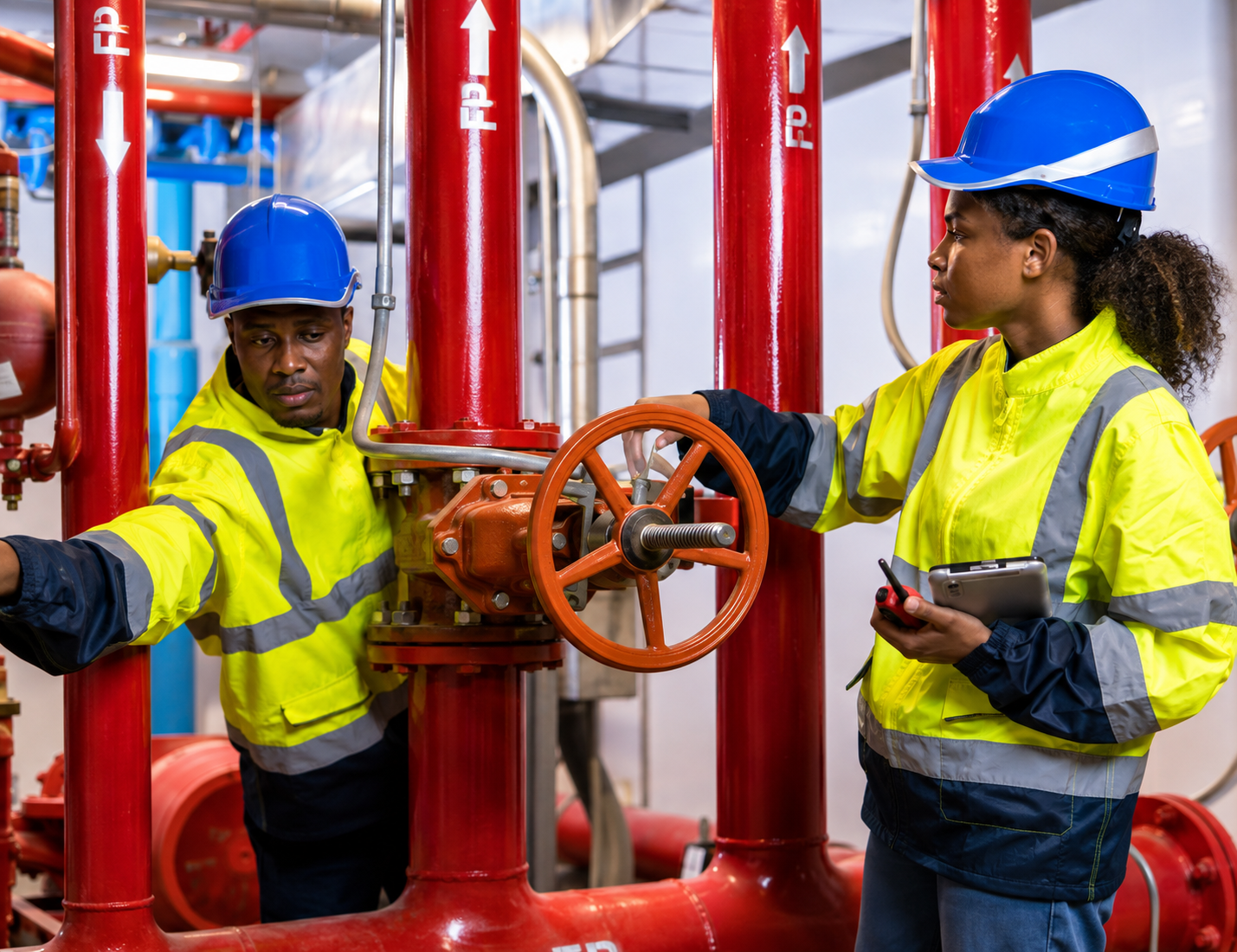
Graduates of the Fire Technology programme are well-equipped to manage safety protocols and emergency responses in manufacturing plants, corporate offices, construction sites, and specialized rescue organizations.
Students may also pursue advanced certifications in occupational health and safety to broaden their professional expertise.
Our instructors bring valuable field experience from emergency response and industrial safety sectors, guiding students through practical drills and rigorous technical mentoring.
Students participate in intense practical simulations and hazard identification exercises that build quick decision-making, physical readiness, and strong safety leadership.
The college actively connects graduates with industrial safety firms, construction companies, and corporate sectors to facilitate strong placement opportunities in occupational safety roles.
The department consistently updates its training modules to align with modern industrial safety standards, ensuring students graduate with highly relevant and life-saving skills.